A Severe Warning In China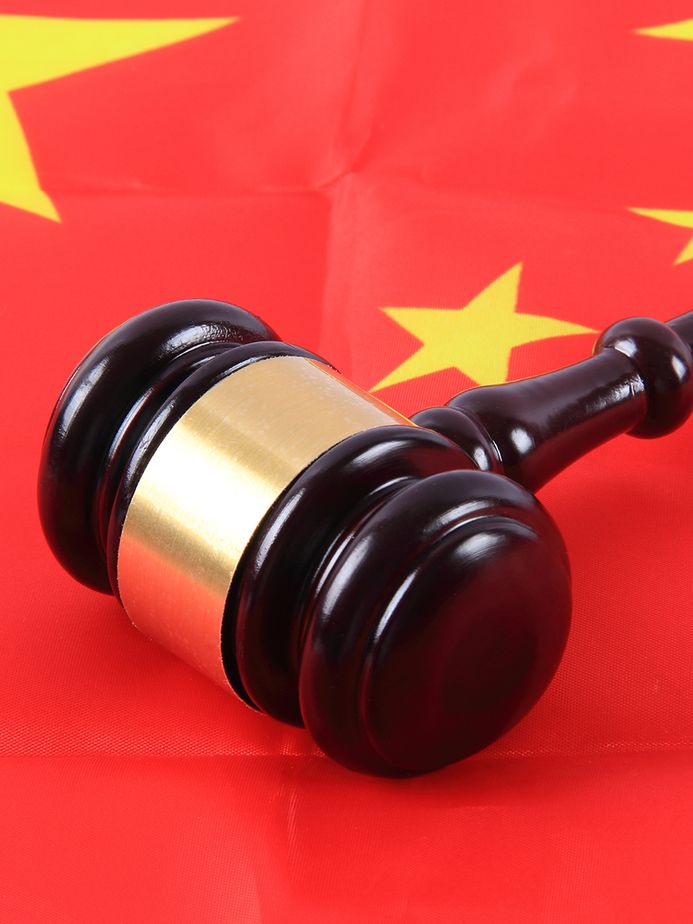
In August 2026, a Chinese court sentenced Hui Ka Yan (also known as Xu Jiayin), the founder and former chairman of China Evergrande Group, to life in prison. This marked the legal climax of the country’s biggest property-sector collapse.
Hui was once Asia’s richest man and the face of China’s property boom. Evergrande had massive projects in real estate, electric vehicles, tourism, and finance. But the Shenzhen Intermediate People’s Court found that between 2016 and 2021, Hui and Evergrande engaged in large-scale financial fraud and related crimes. Hui pleaded guilty in April 2026 to eight charges, including misuse of company funds, embezzlement of corporate assets and corporate bribery. The court said these acts caused “particularly significant economic losses” and inflicted “particularly serious social harm”. Evergrande’s assets had been inflated and its liabilities concealed, giving a false picture of its financial health to investors, regulators, and the public. Hui also had all of his personal property confiscated and was deprived of his political rights for life. The court ordered that restitution to Evergrande's many victims should take priority over state fines and asset seizures.
The significance, according to some analysts, is that this represents the closing of China’s “old-era growth model” in property, based on high leverage, rapid expansion, and opaque financing. The severity of the punishment - life sentence, total asset confiscation, huge fines - sent a clear message that the state will punish large-scale financial misconduct harshly, even for once-favoured tycoons.
Evergrande’s collapse helped trigger a prolonged property crisis. The impact was so severe that it has created a drag on growth that continues into 2026. New-home prices are still falling (down 3% year-on-year in August 2026). Sales, investment, and new construction start-ups are all tumbling. Many partially built projects remain unfinished. Smaller inland cities have seen second-hand prices drop almost a quarter from 2020 levels. Weak property markets constrain household consumption and local government revenues, keeping overall growth subdued. Some analysts predict that residential investment will not recover until around 2031.
Hui Ka Yan’s life sentence has changed China’s rules. The case marks a clear shift in how Beijing treats corporate misconduct in the property sector. Previously such criminals mostly received administrative fines and bans. Now, large-scale financial engineering and fraud can lead to life imprisonment, asset confiscation, and multi‑billion‑yuan criminal fines. Market manipulation will be punished both administratively and criminally. Developers and executives now face a higher personal risk for aggressive leverage, opaque financing, and accounting fraud. Another result is that authorities are pushing a “new model” focused on affordable housing, with better services and quality.
Even more fundamentally, the Hui case reinforces and hardens an existing shift to China's economy: property is no longer the primary engine of growth.
But how much has really changed? A recent report spoke of massive hidden debt underlying the meteoric rise of one of China's most successful automobile companies. If true, the threat is massive, because the auto sector is part of the new post-property engine of China's economic development.
Pray for Hui Ka Yan and his family that this massive reversal in their fortunes would lead to them finding forgiveness and hope in the Lord Jesus.
Pray for wisdom for China's financial regulators that they would spot this kind of financial disaster before it takes place.
Pray for the many Chinese citizens who suffered from Evergrande's collapse. Ask the Lord that they, too, might find consolation in the Lord.
Sources: the New York Times, CNN, and Reuters.